Introduction
This paper proposes several strategies to increase the market share of a breakfast cereal manufacturer. A vast amount of researches are consulted but more importantly, this paper relies heavily on a consumer survey I conducted personally, asking friends questions about their breakfast and cereal. The total number of valid respondents are 71 and results can be found at the end of this paper.
This paper will focus on opportunities and threats facing the wider cereal industry and our particular company. For each opportunity, a strategy to seize and realise its fullest potential is proposed. For each threat, a solution for combat is proposed.
It may be pleasing to see that 52% (graph 1) of survey respondents eat cereal for breakfast which is the largest share of all types of breakfast. However sales of the entire cereal industry have been on the decline for the past few years and we are facing 2 main threats.
Threat 1 – Consumer Eating Habit and Competition
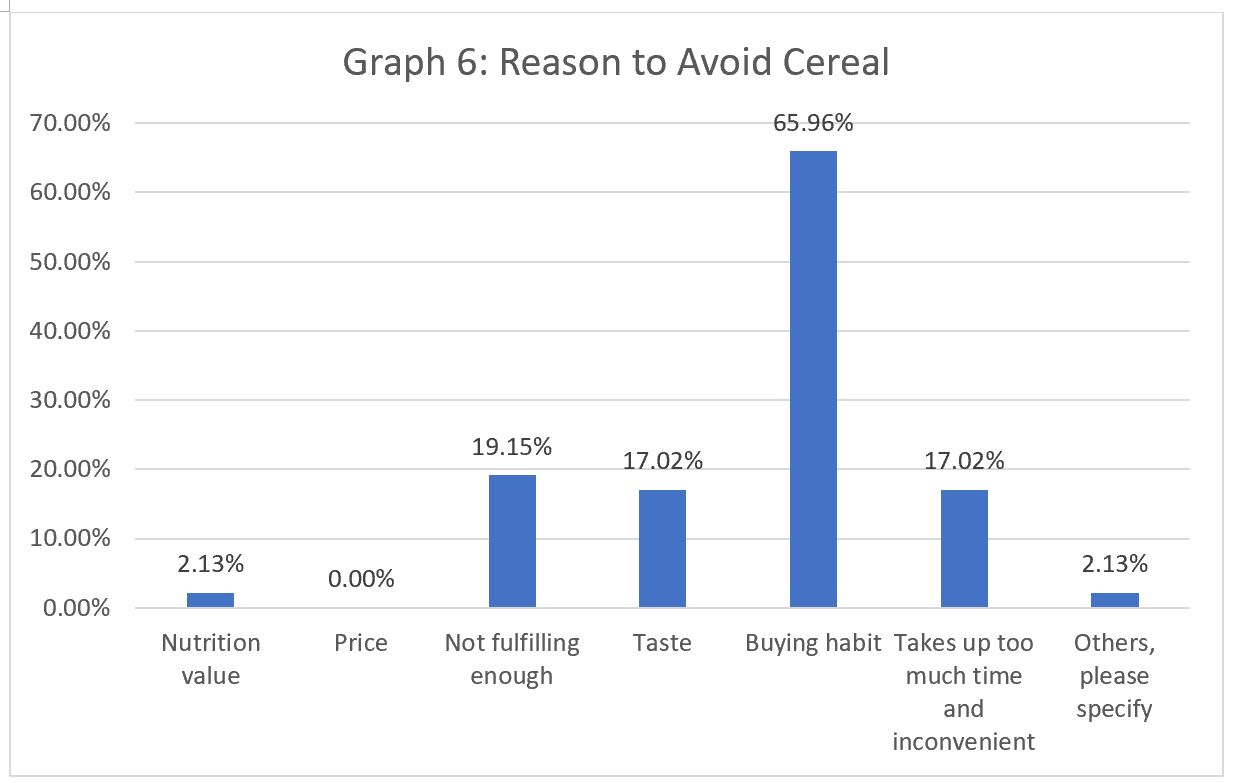
Nowadays, people are always on the go and have no time to sit down to eat a proper breakfast. 17% (graph 6) of survey respondents said cereal takes up too much time and is inconvenient to eat. This is the reason they are turning to yogurt, nut and cereal bar, liquor breakfast and even fast food for their preferred choice of breakfast. They want something they can eat anywhere, for instance on train or bus, and currently cereal does not provide this option. In order to satisfy this consumer need, our company should introduce a new product line that is cereal bar. There are two strategic reasons for this. Firstly, we are exploring a market that is growing instead of hanging onto a market that is shrinking. Secondly, we already make cereal, so developing a new cereal bar will incur minimal R&D cost and the new product can be rolled out in a short time frame. By offering customers what they want, we are sure to see growth in market share.
Threat 2 – Health
There is a public perception crisis in the cereal industry. More and more people are starting to think cereal contains too much sugar and is not healthy. This perception is in part true because cereal has been historically targeted at young children and the best way to attract this audience is to add sugar. 8.3% (graph 4) of survey respondents recommended less sugar and calorie in their cereal and 52% (graph 3) choose their cereal product based on nutrition value. This is a serious issue that hurts our brand image, especially in an era where people are becoming more conscious of their health. To combat this, we need to introduce new cereal products with less sugar that is healthier. A good way to achieve this is to aim for a high Health Star Rating, 4.5 or above. At the same time, we can scale back cereal products that are not selling well so that we can focus on products most beneficial to the company. However, it is important to bear in mind that 74% of survey respondents choose their cereal brand based on taste, hence we cannot blindly reduce sugar level to zero; instead we should strike a balance between sugar and healthy. A good way to find this balance is through focus group, inviting people to taste our cereal and give them nutrition information then ask them which one they would buy. This perception will take some time to turn around as brand image is difficult to change, but it is necessary as we want to achieve growth in the long term.
Opportunity 1 – More Content in Cereal
12.5% (graph 4) of survey respondents recommended adding dried fruit into their cereal. 19% (graph 6) said cereal is not fulfilling enough. The solution for the first issue is simple: add dried fruit into our cereal. To address the second issue, we should add more fiber and protein in our cereal so that when people eat it, they feel more full. Adding more content can differentiate ourselves from other cereal manufacturers as we literally offer more to consumers.
Opportunity 2 – Cereal is More Than Breakfast
To achieve higher sales of cereal overall, we can promote cereal for meals other than breakfast and rebrand cereal as something that can be eaten anytime of the day. Kellogg’s, one of the major players in the cereal market, is already inviting world famous chefs to invent recipes that include cereal. People also learn what to cook from the food they eat at restaurants, hence we should encourage and invite restaurants to include our cereal in their dishes. When cereal becomes a key ingredient of people’s lunch and dinner, we will see a much stronger market with high potential.
Opportunity 3 – Price
It is very interesting to see that out of the people who avoid cereal for breakfast, none (graph 6) does so because of price. Moreover, out of the people who do eat cereal, only 17% (graph 3) of them choose their cereal brand based on price. This is evidence that breakfast cereal is not a price-sensitive market. This makes sense as prices for all cereals are low and difference of a few cents does not mean much for Australian consumers. We can take advantage of this and increase price of our new products to drive revenue. Of course we can only afford to do so provided our products are indeed the best, satisfying all customer demands and creating a positive impact on their lives.
Advertising
Advertising is so crucial to a cereal company it deserves its own discussion. It is crucial because almost everything we just said needs to be communicated to the consumer. We need to let customers know that our products are healthy, with less sugar and more fiber and protein. Customers also need to be made aware that our cereal has more content and can be used to make meals other than breakfast. The first question we need to ask is what advertising channel or platform we should focus on. 47% (graph 5) of survey respondents said they have seen cereal advertisement on supermarket catalogue and 45% (graph 5) have seen it on television. These are the two largest platforms currently and we should continue to strengthen our presence on these two platforms. An innovative approach will be to strike sponsorship deals with health and life style bloggers on online social platforms such as Instagram, Facebook and YouTube. This is in particular targeting young audience who update their social sites daily and are paying more attention to having a healthy life style. Bloggers can be paid to endorse our products on their platforms, and this is especially effective when it comes to introducing cereal as more than just breakfast.
Conclusion
All strategies proposed above are supported by vast amount of researches. However, many of them are not new to the industry. Having those ideas is merely a start, execution of those ideas is most significant. If we can successfully execute, bright future awaits.
Survey Results
Table 1: What do you eat for breakfast? | Choose multiple answers | |
Selection | Number selected | Percentage |
Cereal | 37 | 52.11% |
Bread | 31 | 43.66% |
Biscuit | 4 | 5.63% |
Others, please specify | 11 | 15.49% |
Number of respondents | 71 | |
Content of ‘others’ | Porridge (non-cereal) | Rice |
Don’t have breakfast | Noodle | |
Other hot meal | Just milk |
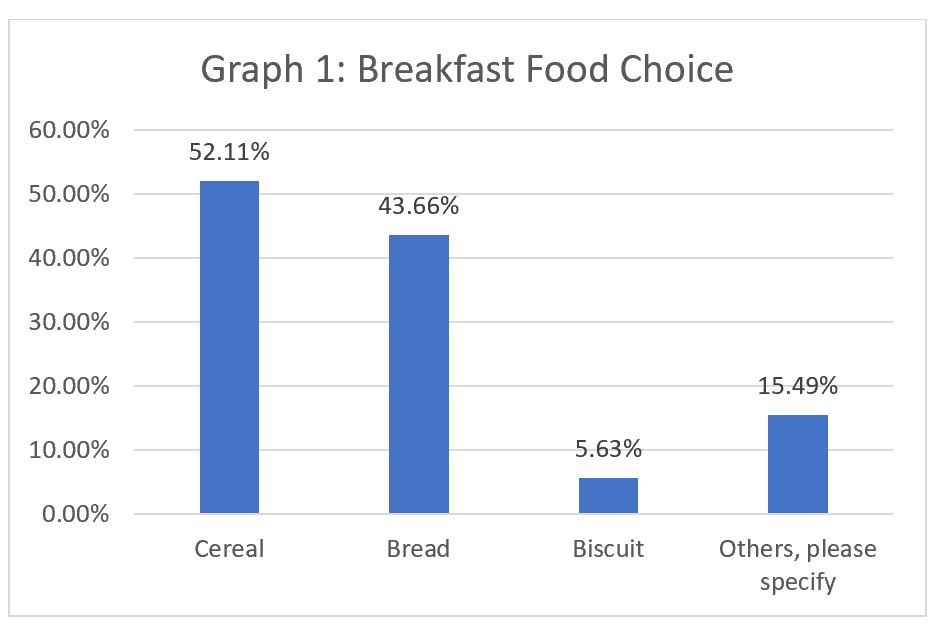
Table 2: What brand of cereal do you buy? | Choose multiple answers | |
Selection | Number selected | Percentage |
Unble Toby’s | 19 | 42.22% |
Sanitarium | 12 | 26.67% |
Kellogg’s | 13 | 28.89% |
Nestle | 12 | 26.67% |
Others, please specify | 5 | 11.11% |
Number of respondents | 45 | |
Content of ‘others’ | Woolworths Macro Organic |
Table 3: Why do you choose your brand of cereal? | Choose multiple answers | |
Selection | Number selected | Percentage |
Price | 8 | 17.39% |
Taste | 34 | 73.91% |
Nutrition value | 24 | 52.17% |
Friend recommendation | 4 | 8.70% |
Large quantity for the price | 3 | 6.52% |
Brand reputation | 10 | 21.74% |
Advertising | 0 | 0.00% |
Others, please specify | 2 | 4.35% |
Number of respondents | 46 | |
Content of ‘others’ | Choice of family members | Buying habit |
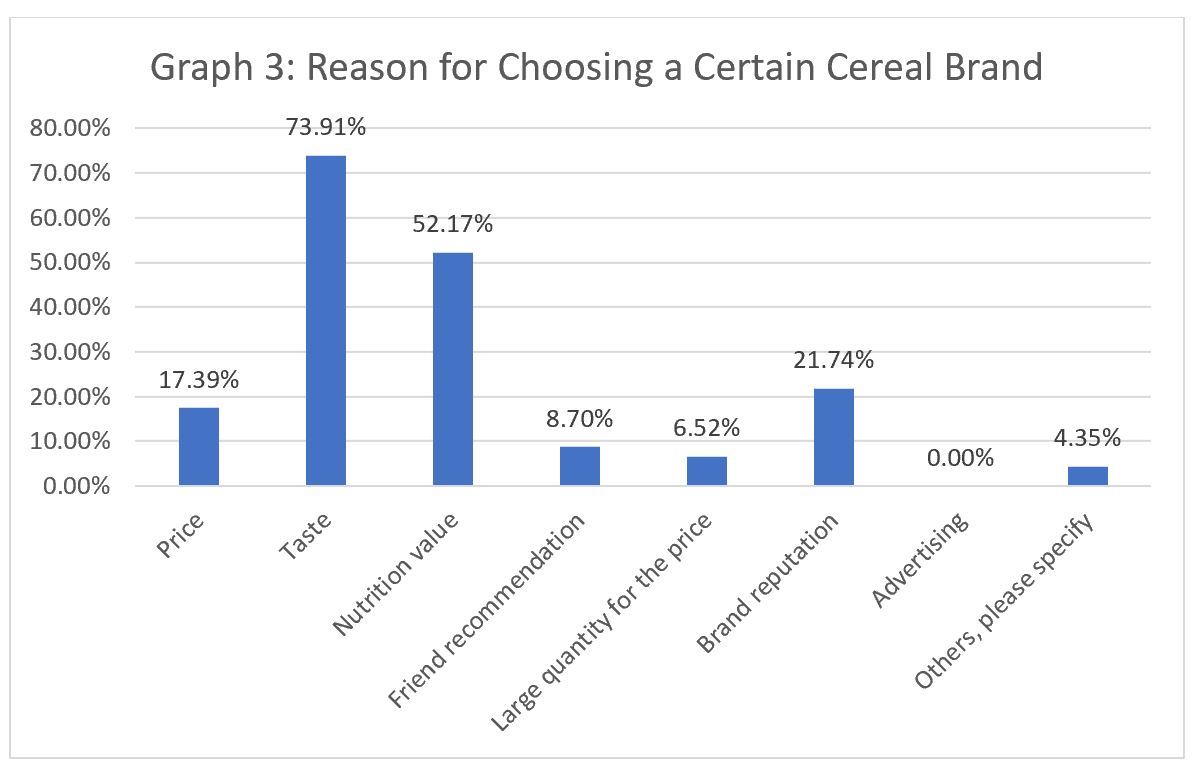
Table 4: What improvement would you make to your cereal? | Free text input | |
Selection | Number selected | Percentage |
None | 9 | 37.50% |
Add different flavours | 1 | 4.17% |
Smaller packaging | 1 | 4.17% |
Add nuts | 1 | 4.17% |
Add dried fruit | 3 | 12.50% |
Reduce amount of sugar | 2 | 8.33% |
Reduce calorie | 2 | 8.33% |
Better shape and size | 1 | 4.17% |
Larger quantity for the same price | 1 | 4.17% |
Better taste | 1 | 4.17% |
More convenient to eat | 1 | 4.17% |
Advertising and promotion for organic | 1 | 4.17% |
Number of respondents | 24 |
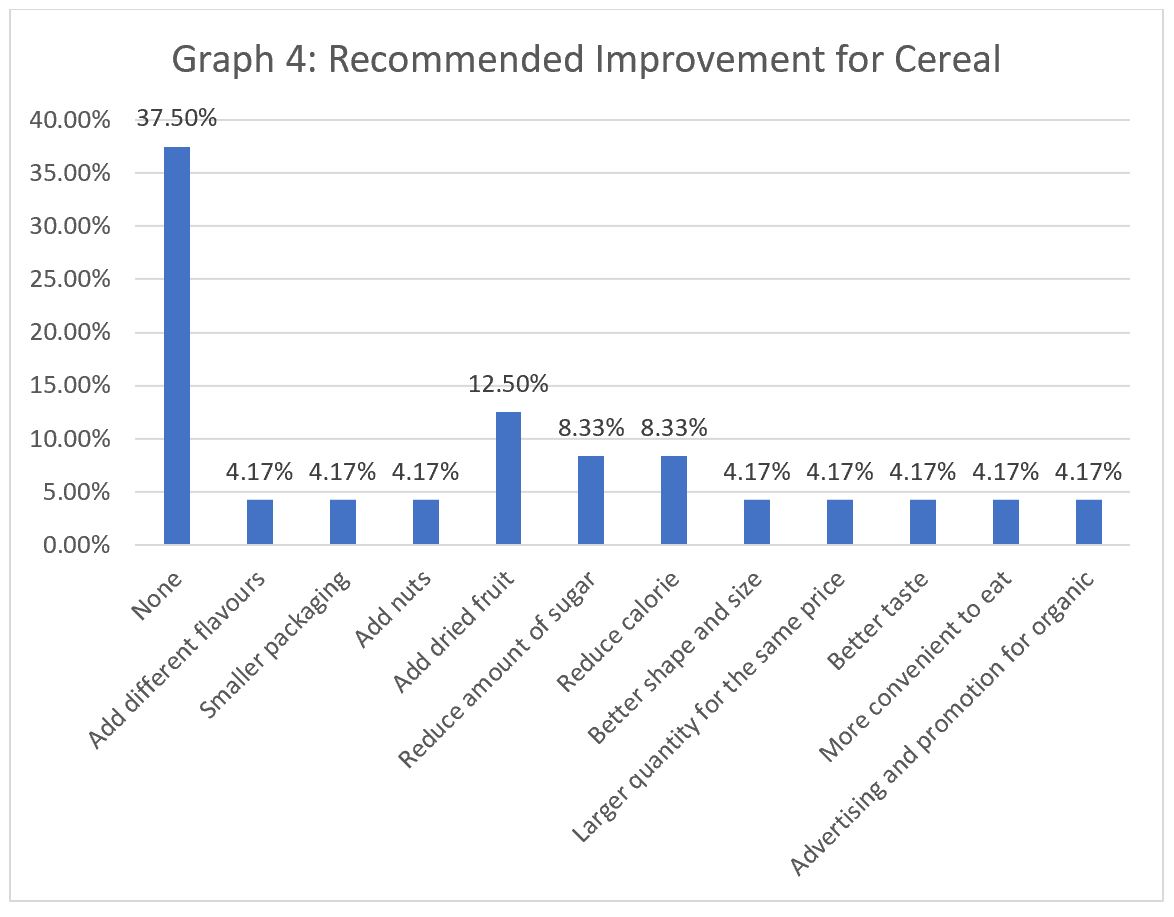
Table 5: Where do you see cereal advertising? | Choose multiple answers | |
Selection | Number selected | Percentage |
Television | 28 | 45.16% |
Radio | 3 | 4.84% |
Internet social platform | 18 | 29.03% |
Video sharing websites | 14 | 22.58% |
Outdoor billboard | 10 | 16.13% |
Supermarket catalogue | 29 | 46.77% |
Others, please specify | 3 | 4.84% |
Number of respondents | 62 | |
Content of ‘others’ | Doctor recommendation |
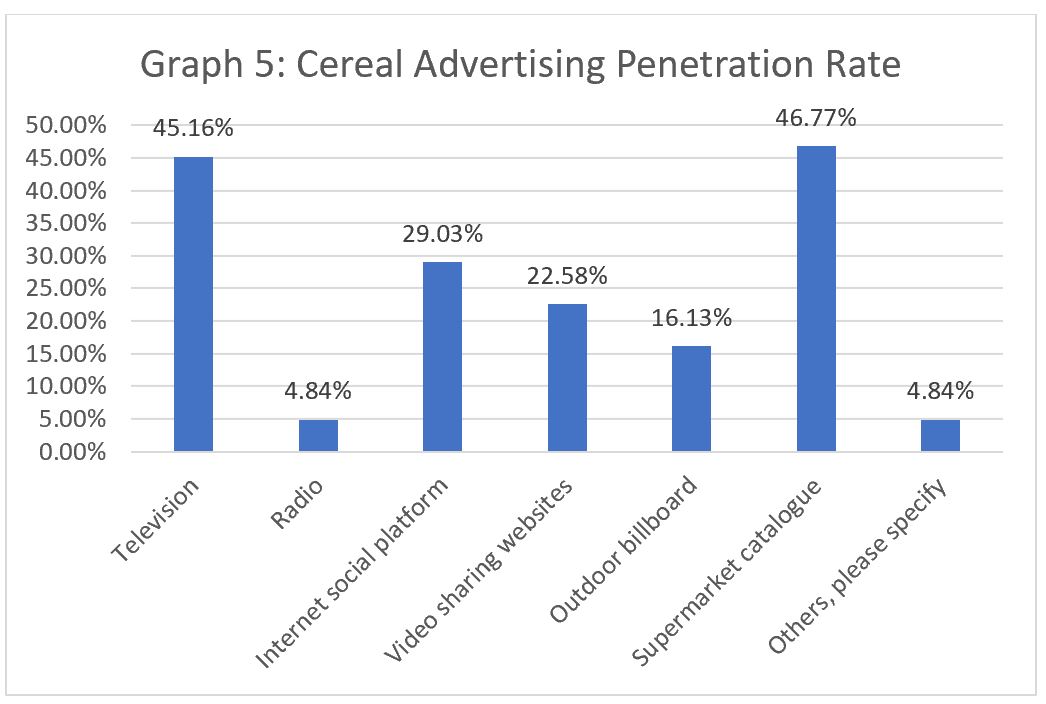
Table 6: What makes you avoid cereal for breakfast? | Choose multiple answers | |
Selection | Number selected | Percentage |
Nutrition value | 1 | 2.13% |
Price | 0 | 0.00% |
Not fulfilling enough | 9 | 19.15% |
Taste | 8 | 17.02% |
Buying habit | 31 | 65.96% |
Takes up too much time and inconvenient | 8 | 17.02% |
Others, please specify | 1 | 2.13% |
Number of respondents | 47 | |
Content of ‘others’ |